Winter Slip-and-Fall Hazards in Washington, DC: What Property Owners Are Required to Do
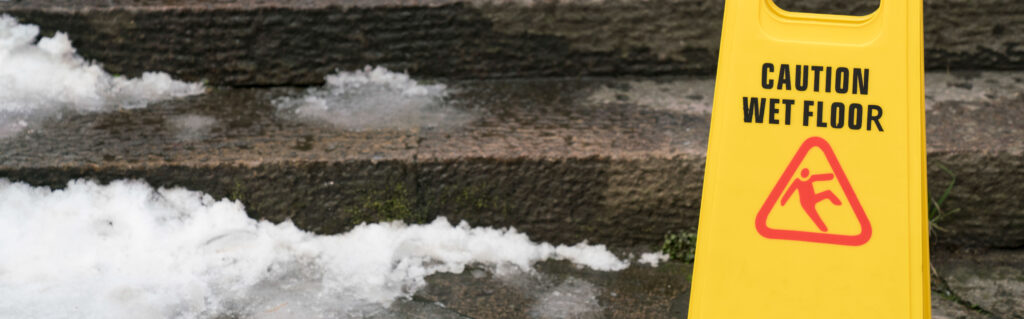
Winter in Washington, DC brings more than just cold temperatures — it creates dangerous conditions that put pedestrians at risk of serious slip-and-fall accidents. Ice, snow, slush, and poor visibility can turn sidewalks, parking lots, and building entrances into hazardous environments. When property owners fail to maintain safe conditions, these preventable hazards can lead to painful injuries, costly medical bills, and long-term mobility issues.
At Roeser Law Firm, we represent individuals who have been injured because someone else neglected their responsibility to keep their property safe. Understanding DC’s winter safety rules — and how negligence occurs — can help you protect your rights after a fall.
Why Slip-and-Fall Accidents Increase in DC During Winter
DC’s winter weather can shift rapidly between freezing and thawing, a pattern the city regularly warns residents about during official snow events. These rapid changes allow ice to melt and refreeze, increasing the risk of black ice on sidewalks and steps. Snowfalls can also accumulate quickly, especially in shaded areas that stay slick for days.
Common winter hazards include:
Icy Sidewalks and Walkways
Refreezing overnight creates invisible ice patches that are extremely dangerous for pedestrians, especially on steep or uneven surfaces.
Slush and Water at Entrances
Foot traffic brings moisture inside stores, offices, and apartment buildings. When property owners fail to place mats, clean up water, or monitor the area, floors become slippery and hazardous.
Poorly Maintained Parking Lots
Untreated ice, unplowed snow, or uncleared pathways force people to walk through unsafe areas, increasing the likelihood of falls.
Unsafe Outdoor Steps and Ramps
Ice can form quickly on stairs, handrails, and wheelchair ramps, making them particularly unsafe without regular clearing and de-icing.
What DC Property Owners Must Do to Prevent Winter Hazards
In Washington, DC, property owners have a legal responsibility to take reasonable steps to keep walkways and common areas safe — especially during winter weather.
Under DC regulations, owners and occupants are required to:
- Clear ice and snow from sidewalks within the legally required timeframe (typically within the first daylight hours after snowfall stops).
- Apply salt, sand, or other de-icing materials to reduce ice buildup.
- Maintain safe building entrances, including indoors where melted snow may create slippery floors.
- Routinely inspect high-traffic areas such as steps, ramps, common hallways, and parking lots.
- Warn visitors of hazards when immediate removal is not possible, such as using signs, cones, or barricades.
When owners fail to perform these duties, they may be held liable for resulting injuries.
How Negligence Leads to Winter Slip-and-Fall Injuries
Most winter slip-and-fall accidents occur because a property owner:
- Did not clear ice or snow in time
- Failed to place mats or warning signs
- Ignored previous complaints about unsafe conditions
- Used improper or inadequate de-icing methods
- Allowed water to accumulate indoors without addressing it
These lapses can cause serious injuries such as fractured wrists, torn ligaments, herniated discs, and head trauma — injuries that are especially common when falls occur on hard surfaces like concrete or tile.
What to Do After a Winter Slip-and-Fall Accident in DC
Taking the right steps after a fall can strengthen your injury claim and protect your rights.
1. Seek Medical Care Immediately: Some injuries worsen over time, and medical records will serve as critical documentation.
2. Report the Incident: Notify the property owner, landlord, store manager, or building supervisor.
3. Document the Scene: If possible, take photos or video of the ice, snow, or wet conditions that caused your fall.
4. Gather Witness Information: Anyone who saw the fall or noticed the hazardous condition can help support your claim.
5. Avoid Giving Statements to Insurance Adjusters: They often try to minimize payouts before you understand the full extent of your injuries.
6. Speak With a Premises Liability Attorney: An experienced attorney can investigate the conditions, preserve critical evidence, and help you recover compensation for your medical bills, lost wages, and pain and suffering.
Roeser Law Firm: Standing Up for Winter Slip-and-Fall Victims
A slip-and-fall accident can disrupt your life instantly, especially when it leads to extended recovery time or long-term physical limitations. You shouldn’t have to struggle with medical bills and insurance negotiations on your own — especially when a property owner’s negligence caused your injuries.
When another party’s negligence leads to your injury, you can file a claim. The Roeser Law Firm is dedicated to helping you navigate this process. Call us today at (202) 660-4070 for a free case consultation with our legal team, where we will review your situation and discuss potential negligence. If you have any questions or need guidance, we’re here to help. You can also reach out to us online at your convenience. Remember, we charge no fees unless we successfully resolve your case. Don’t wait—take the first step toward justice and call us now!
Attorney Zeke Roeser

3000 Connecticut Avenue NW
Suite 140
Washington, DC 20008
(202) 660-4070