Who Pays When a Driver Causes an Accident While Avoiding an Obstacle?
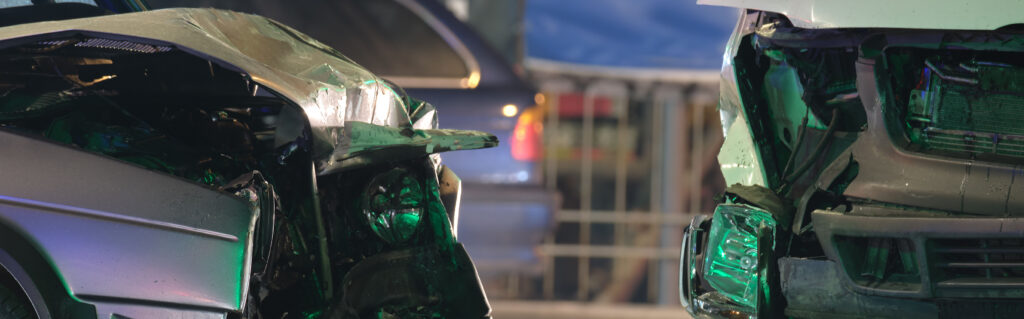
Drivers sometimes face sudden hazards on the road. A vehicle may swerve to avoid debris, brake for an animal, or move into another lane to avoid a stopped car. Although these reactions may prevent one collision, they can also cause another. When that happens, injured drivers and passengers may wonder who is responsible for the resulting accident.
In Washington, DC, the driver who swerves is not automatically at fault, but avoiding an obstacle does not automatically excuse the driver’s actions. Liability depends on what happened, whether the driver acted reasonably under the circumstances, and whether another person or entity contributed to the danger.
Who Is Responsible for a Crash Caused by a Sudden Maneuver?
Drivers must use reasonable care to protect others on the road. When a hazard appears, they must respond as safely as the situation allows. A driver who suddenly swerves into another lane, loses control, or strikes another vehicle may be responsible if the maneuver was unreasonable under the circumstances.
For example, imagine a driver traveling through downtown DC encounters a cardboard box in the roadway. Instead of slowing down, the driver abruptly changes lanes and hits a vehicle traveling beside them. If the driver could have safely slowed down or stopped, the decision to swerve may support a negligence claim.
However, the outcome may differ if a large object suddenly falls from a truck directly in front of the driver. There may be little time to react, and the driver may have limited safe options. Investigators must consider the speed of the vehicles, traffic conditions, visibility, distance, and time available to respond.
The key question is whether the driver acted reasonably in the moment, not simply whether the maneuver resulted in a collision.
Can Another Driver Be Held Responsible?
Sometimes, the driver who swerves is not the only person who contributed to the crash. Another motorist may have created the hazard or left the driver with too little time to react.
For example, another driver might:
- Cut into a lane without leaving enough space.
- Stop suddenly without a reasonable explanation.
- Drop unsecured cargo onto the roadway.
- Make an unsafe turn that forces another motorist to swerve.
- Drive aggressively and push another vehicle toward a dangerous maneuver.
If another driver’s negligence created the emergency, that driver’s actions may contribute to liability. The driver who swerved may also share responsibility if their response was unsafe.
Investigators must examine the full sequence of events rather than focus only on the final collision. A driver who caused the original hazard may bear responsibility even if another vehicle ultimately struck the injured person.
What If Road Debris or a Road Hazard Caused the Accident?
Not every obstacle comes from another driver’s actions. Debris, damaged pavement, fallen branches, and other hazards can create dangerous conditions, especially on busy city streets.
Depending on the circumstances, responsibility may fall on a person or company that created the hazard or failed to secure materials. A construction contractor, for example, may face a claim if its work left dangerous debris in the roadway and the evidence supports negligence.
A government agency or other road-maintenance entity may also be involved in some cases. However, a dangerous road condition does not automatically make the government liable. The injured person may need to establish which entity was responsible, what duties applied, and whether the entity’s conduct caused the crash. Claims involving the District of Columbia government can also have special notice requirements and deadlines.
The location and source of the obstacle matter. Evidence may show whether the hazard appeared moments before the crash or whether it had been present long enough that a responsible party should have addressed it.
How Does DC’s Contributory Negligence Rule Affect a Claim?
Washington, DC, generally follows the doctrine of contributory negligence in personal injury cases. Under this rule, a person’s own negligence can prevent recovery if it contributed to the injury. This can make fault disputes especially important when a driver claims that another motorist’s sudden maneuver caused a collision.
Suppose a driver swerves to avoid debris but crosses into another lane without checking whether it is safe. If that maneuver causes a crash, the driver may face a claim based on their own conduct. Evidence that another party created the hazard could also matter, but it does not automatically resolve the question of the injured person’s own negligence.
DC law provides a different rule for certain collisions involving pedestrians and vulnerable road users, including bicyclists. Under DC Code § 50-2204.52, contributory negligence does not bar recovery in covered cases unless the injured person’s negligence was a proximate cause of the injury and greater than the combined negligence of the defendants. That exception does not apply to every car accident, so the type of collision and the people involved are important.
Because the legal rules can have a significant effect on compensation, it is important to establish what each person did before and during the crash.
What Evidence Helps Determine Who Pays?
Accidents involving sudden maneuvers can be difficult to investigate because drivers may remember the same event differently. Evidence can help clarify why a driver swerved, whether the obstacle was avoidable, and who contributed to the collision.
Useful evidence may include:
- Dashcam or surveillance footage: Video may show the obstacle, traffic conditions, and the driver’s response.
- Witness statements: Other motorists, pedestrians, and nearby witnesses may describe what happened.
- Police reports: Reports may document the scene, vehicle damage, statements, and initial findings.
- Photographs: Images of the road, debris, skid marks, and vehicle positions may help reconstruct the crash.
- Vehicle damage and expert analysis: Physical evidence may help explain the direction and force of impact.
- Maintenance or contractor records: These records may matter when road conditions or work-zone hazards contributed to the collision.
An injured person should seek medical care promptly, document the scene when it is safe to do so, and preserve available evidence. Avoid assuming that an insurance company’s initial decision fully resolves who was legally responsible.
What Compensation May Be Available?
When another party’s negligence caused an accident, an injured person may be able to pursue compensation for medical expenses, lost income, pain and suffering, and other losses supported by the evidence. A claim for vehicle damage may also be available.
The amount and availability of compensation depend on the facts, the applicable law, and the evidence establishing liability and damages. Insurance companies may dispute whether a sudden maneuver was necessary or argue that the injured person contributed to the crash.
In DC, many personal injury claims are subject to a three-year limitations period, but exceptions can apply. Claims involving the District government may have additional notice requirements, including a potential six-month written-notice deadline under DC Code § 12-309. Anyone considering a claim should confirm the deadlines that apply to their specific circumstances.
Roeser Law Firm: Trusted Advocates for Auto Accident Injuries
A driver may have swerved to avoid an obstacle, but that does not settle who should pay for the resulting injuries. The cause of the hazard, the driver’s response, and the actions of other people can all affect liability. If you were injured in a Washington, DC, accident involving a sudden maneuver, turn to the Roeser Law Firm for dedicated support. Contact us today at (202) 660-4070 or get in touch online. Schedule a free case evaluation with our knowledgeable car accident attorneys, ready to guide you through your concerns and explore your legal options.
Attorney Zeke Roeser

3000 Connecticut Avenue NW
Suite 140
Washington, DC 20008
(202) 660-4070