Who Is Responsible for a Chain-Reaction Crash in Washington, DC?
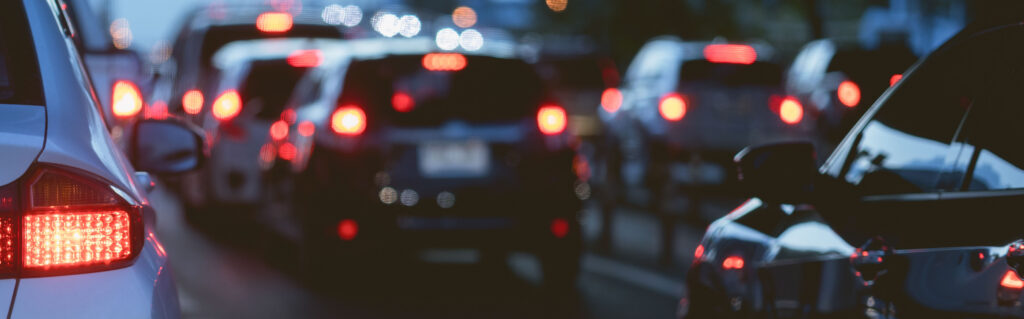
A chain-reaction crash can happen in seconds. One vehicle strikes another, which then hits a third vehicle. In a busy city like Washington, DC, several cars may become involved before anyone has time to react. These crashes can make it difficult to determine who caused the accident. The driver who made the first impact may not be the only person whose actions matter. Other drivers may have contributed to later collisions, and investigators may need to examine the entire sequence of events.
A January 2026 crash at 16th Street and L Street NW shows how complicated these accidents can become. According to the Metropolitan Police Department, a Chevrolet Malibu entered the intersection against a red light and collided with a Toyota Corolla. The impact then caused the Malibu to strike a pedestrian and three additional vehicles that were stopped at the intersection. Every chain-reaction crash has different circumstances. Determining liability requires a close look at how the collision unfolded.
What Is a Chain-Reaction Crash?
A chain-reaction crash involves multiple impacts that occur during the same sequence of events. These crashes often happen when traffic is heavy and vehicles are traveling close together. For example, one driver may rear-end another vehicle. The second vehicle may then be pushed into a third car. A fourth vehicle may have to swerve to avoid the collision and strike another vehicle or object. The first impact can set off several more collisions. That makes it important to look beyond the final point of impact when determining what happened.
Is the Driver Who Caused the First Crash Always Responsible?
Not necessarily. The driver who caused the initial collision may have played the biggest role in the accident. However, another driver’s actions may also have contributed to a later impact.
For example, imagine that Driver A runs a red light and hits Driver B. Driver B is then pushed into Driver C. Investigators may need to determine whether Driver A’s actions caused the entire sequence or whether Driver B or another driver also made a separate negligent decision.
Evidence can help establish how much time passed between each impact, where the vehicles were located, and how each driver responded.
How Is Fault Determined in a Chain-Reaction Crash?
Investigators may examine several factors when reconstructing a multi-vehicle collision. Police reports can provide information about the location of each vehicle, statements from drivers and witnesses, traffic violations, and other observations made at the scene. Photos and video may also show the positions of the vehicles and the sequence of events.
Traffic-camera footage can be especially useful at busy DC intersections. Dashcam or surveillance footage from nearby businesses may also provide evidence that helps clarify what happened. Vehicle damage can provide another important clue. The location and severity of damage may help investigators determine which vehicles collided first and how the impacts occurred.
Can More Than One Driver Be Responsible?
Yes. More than one driver’s conduct may contribute to a chain-reaction crash. A driver may have been speeding or following too closely before the first impact. Another driver may have been distracted or failed to react safely after seeing the collision. In other cases, a mechanical problem or roadway condition may raise additional questions.
The fact that several drivers were involved does not automatically mean that everyone shares responsibility. Each driver’s conduct must be considered based on the circumstances of the accident.
What If You Were Hit From Behind in a Chain-Reaction Crash?
Rear-end collisions are common in chain-reaction accidents. A driver who is struck from behind may assume that the vehicle behind them is automatically responsible for all of their injuries. That is not always the end of the analysis.
If your vehicle was pushed into another car, investigators may need to determine whether the force of the first impact caused your vehicle to hit the next vehicle. The timing and sequence of each collision can matter when determining responsibility. For this reason, drivers involved in a multi-vehicle crash should avoid making assumptions about fault before the evidence has been reviewed.
What Evidence Can Help After a Multi-Vehicle Crash?
Evidence becomes especially important when several vehicles are involved. If you can safely do so after an accident, document the scene and gather information from the other drivers and witnesses.
Useful evidence may include:
- Photographs of vehicle damage and the accident scene
- Police or crash reports
- Traffic-camera or surveillance footage
- Dashcam recordings
- Witness statements and contact information
- Medical records and bills
- Insurance information for the vehicles involved
You should also keep records of any missed work, transportation costs, or other expenses related to your injuries. DC DMV requires motorists to maintain vehicle insurance, and the District provides a process for obtaining insurance information for a DC-registered vehicle when that information is needed for an insurance claim.
What If You Were Injured in a Chain-Reaction Crash?
Chain-reaction crashes can cause a wide range of injuries. The force from multiple impacts can increase the risk of serious harm, even when your vehicle was not involved in the first collision.
Common injuries include:
- Whiplash and other neck injuries
- Back and spinal injuries
- Broken bones
- Traumatic brain injuries
- Internal injuries
- Soft-tissue injuries
Some symptoms may not appear immediately. Medical attention can help identify injuries and create a record of the treatment you received after the crash.
You should also keep documentation related to your recovery. Medical bills, treatment records, prescription expenses, and information about missed work can help demonstrate how the accident affected your life.
How Does DC’s Negligence Law Affect a Car Accident Claim?
Washington, DC generally follows a contributory negligence system, but the District has a specific exception for pedestrians and certain vulnerable road users. Under DC Code § 50-2204.52, a pedestrian or other qualifying vulnerable user may still recover in certain cases even when they contributed to an accident, as long as their negligence does not meet the statutory threshold described in the law.
For people injured inside motor vehicles, the general rules governing negligence and contributory negligence can be important. The facts of the crash matter, particularly when multiple drivers may have contributed to the collision. Because chain-reaction accidents can involve competing accounts of what happened, a careful review of the evidence can be important when evaluating a claim.
How Long Do You Have to File a Claim?
The deadline for a personal injury lawsuit can depend on the type of claim and the circumstances of the accident. DC Code § 12-301 generally provides a three-year limitation period for actions where no different deadline is specifically prescribed, including personal injury claims that fall under that provision.
Other deadlines can apply in specific situations. If the District of Columbia or another government entity may be involved, additional notice requirements can also become important. Because missing a legal deadline can affect your ability to pursue a claim, it is important to address potential claims promptly.
What Should You Do After a Chain-Reaction Crash?
If you are involved in a multi-vehicle accident, focus on your safety and medical needs first. Call 911 if anyone is injured and follow appropriate medical advice. Once it is safe, document the accident if you can. Take photographs, gather insurance information, and identify witnesses. Avoid arguing with other drivers about who caused the crash.
You should also notify your insurance company and keep records related to your injuries and expenses. If the accident involved several vehicles or the cause remains disputed, consider speaking with a personal injury attorney before accepting a settlement.
Protecting Your Rights After a DC Crash
A chain-reaction crash can leave several drivers with injuries and competing accounts of what happened. Determining responsibility may require more than looking at which vehicle struck another from behind. Call the Roeser Law Firm for dedicated support at (202) 660-4070 or contact us online. Legal guidance early can help protect your rights and improve your ability to pursue compensation for your injuries and losses.
Attorney Zeke Roeser

3000 Connecticut Avenue NW
Suite 140
Washington, DC 20008
(202) 660-4070