When a Single-Vehicle Crash Proves Fatal: What Families and Injured Drivers Should Know
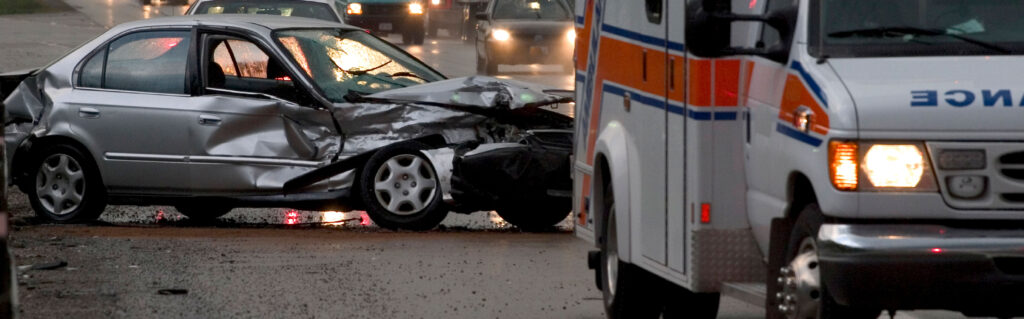
Single-vehicle crashes are among the most misunderstood types of collisions. Many people assume that if only one vehicle was involved, the driver must be at fault — but that is not always true. In Washington, DC, recent incidents have shown that fatal crashes can happen for reasons beyond the driver’s control, including dangerous road design, poor maintenance, vehicle defects, and avoidable hazards.
On November 28, 2025, the Metropolitan Police Department reported a tragic incident on I-295, where a 60-year-old driver lost control of his vehicle, struck a jersey wall, and died from his injuries. Accidents like this demonstrate how quickly a routine drive can become devastating — and how critical it is for families and injured victims to understand their rights.
At Roeser Law Firm, we help victims and grieving families uncover the truth behind serious crashes and pursue the justice they deserve.
Why Single-Vehicle Crashes Happen — And Why Fault Isn’t Always Clear
While some single-vehicle collisions result from driver error, many occur because of factors outside the driver’s control. Common causes include:
- Hazardous Road Conditions: Poor road maintenance — including crumbling pavement, potholes, unclear lane markings, missing guardrails, or uneven surfaces — can cause drivers to lose control without warning. High-speed corridors such as I-295 and the Baltimore–Washington Parkway are known for sudden changes in road surface quality.
- Poor Visibility and Weather Conditions: Fog, heavy rain, low lighting, and wet roads play a major role in crashes. Fall and winter in the DC region bring shorter days and frequent storms, increasing risk on local highways.
- Vehicle Malfunctions: Faulty brakes, tire blowouts, steering system defects, or sudden mechanical failures can cause a car to veer off the road unexpectedly.
- Obstructions or Debris: Unsecured cargo, fallen branches, or debris from construction sites can create sudden hazards that force drivers to swerve and crash.
When a Single-Vehicle Crash Turns Fatal: What Families Need to Know
Losing a loved one in a crash is heartbreaking and overwhelming. Many families don’t realize that they may still have a right to pursue a wrongful death claim, even when only one vehicle was involved.
A thorough investigation can reveal contributing factors such as:
- Negligent road maintenance
- Construction zone negligence
- Defective auto parts
- Failure to warn drivers about hazards
- Another driver’s actions (e.g., being forced off the road)
- Municipal failures to repair dangerous conditions
Families deserve answers — and accountability.
How Fault Is Investigated in Single-Vehicle Crashes
A strong legal investigation often includes:
- Reviewing police reports and crash reconstruction
- Analyzing road conditions and whether government agencies fulfilled maintenance obligations
- Inspecting the vehicle for defects or recalls
- Identifying negligent contractors or roadway engineers
- Locating surveillance or traffic camera footage
- Interviewing witnesses or first responders
In fatal crashes, every detail matters. Even small pieces of evidence may uncover responsibility that was initially overlooked.
When Injured Drivers Still Have a Right to Compensation
Surviving drivers injured in single-vehicle crashes sometimes assume they cannot file a claim. However, compensation may be available if another party contributed to the crash.
You may have a claim if your accident involved:
- A defective tire that blew out
- A malfunctioning steering or braking system
- A poorly maintained roadway
- A sudden hazardous obstruction
- A negligent road design or construction zone
These cases often require expert evaluation and detailed evidence — something an experienced personal injury attorney can provide.
What to Do After a Single-Vehicle Crash
Whether you were injured or lost a loved one, acting quickly helps protect your rights:
- Seek medical care immediately
- Obtain a copy of the police report
- Photograph the scene, vehicle damage, and road conditions (if possible)
- Avoid making statements accepting fault
- Contact a personal injury attorney before speaking with insurance adjusters
Insurers often try to close single-vehicle cases quickly by placing blame solely on the driver. Legal guidance can protect you from unfair conclusions.
Roeser Law Firm: Trusted Advocates for Auto Accident Injuries
A single-vehicle crash can turn your life upside down in seconds. Whether you’re coping with serious injuries or grieving a tragic loss, you don’t have to navigate the next steps alone. If another party’s negligence contributed to the crash, you may be entitled to compensation.
The Roeser Law Firm is here to support you. Call (202) 660-4070 or contact us online for a free consultation. We’ll review your situation, answer your questions, and explain your legal options. You can also reach out to us online at any time. There are no fees unless we win your case — contact us today to get the help you need.
Attorney Zeke Roeser

3000 Connecticut Avenue NW
Suite 140
Washington, DC 20008
(202) 660-4070