What Causes Vehicle Electrical Fires After a Crash?
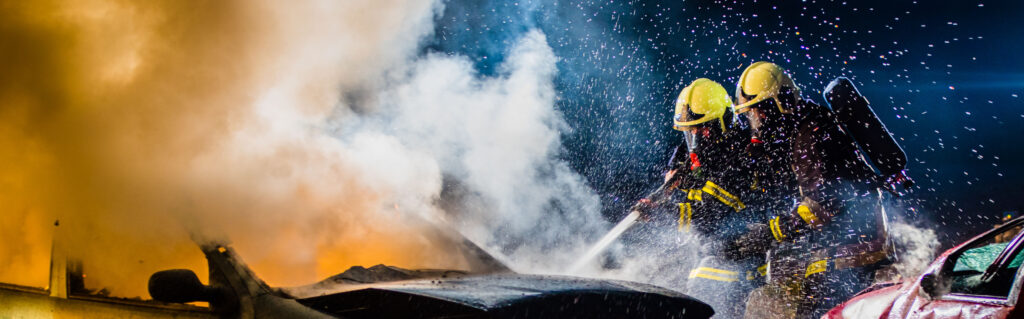
Car accidents are already dangerous, but when a vehicle catches fire after a crash, the risk of serious injury increases significantly. While many people associate post-accident fires with fuel leaks, electrical system failures are another major cause that often goes overlooked.
Modern vehicles rely heavily on complex electrical systems. When these systems are damaged in a collision, they can spark, overheat, or ignite nearby materials. Understanding what causes electrical fires after a crash can help drivers recognize the risks and better understand potential liability.
How Vehicle Electrical Systems Contribute to Fire Risk
Today’s vehicles are equipped with advanced electrical components, including batteries, wiring harnesses, sensors, and onboard computers. These systems control everything from engine performance to safety features.
During a collision, these components can become damaged or exposed. When electrical currents are disrupted or redirected, they can generate heat or sparks. If those sparks come into contact with flammable materials, a fire can start within seconds.
The National Highway Traffic Safety Administration has identified vehicle fires as a serious safety concern, particularly in high-impact crashes where multiple systems are compromised.
Common Causes of Electrical Fires After a Crash
Electrical fires can result from several types of damage sustained during an accident. Some of the most common causes include:
Damaged Wiring and Short Circuits
A collision can crush or sever electrical wiring throughout the vehicle. When exposed wires come into contact with metal components, they can create a short circuit.
Short circuits can generate intense heat and sparks, which may ignite nearby materials such as insulation, plastic components, or leaking fluids.
Battery Damage and Thermal Events
Vehicle batteries — especially in hybrid and electric vehicles — can pose a significant fire risk after a crash. Damage to the battery casing can lead to a rapid release of energy, sometimes referred to as a thermal event.
Even traditional car batteries can spark if their terminals are damaged or if connections are disrupted during impact.
Electrical System Overload
When wiring systems are compromised, electrical currents may be redirected in unintended ways. This can overload circuits and cause components to overheat.
Overheating components can ignite surrounding materials, especially in confined engine compartments where heat can build quickly.
Airbag System Malfunctions
Airbag deployment relies on electrical signals triggered during a crash. If the system malfunctions or wiring is damaged, it can create sparks or localized heat.
While rare, these issues can contribute to fire risk when combined with other damage.
Why Electrical Fires Can Be So Dangerous
Electrical fires after a crash can develop quickly and spread before occupants have time to exit the vehicle. In some cases, fires may start seconds after impact. In others, they may develop minutes later as damaged systems continue to react.
These fires can lead to:
- Severe burn injuries
- Smoke inhalation
- Explosions in extreme cases
- Increased risk of fatalities
According to the National Fire Protection Association, vehicle fires account for a significant number of fire-related injuries each year.
Because of the speed and unpredictability of these fires, quick evacuation is critical.
Liability in Electrical Fire Accident Cases
Determining liability after a vehicle fire can be more complex than a standard car accident claim. In addition to driver negligence, other parties may be responsible depending on the cause of the fire.
Potentially liable parties may include:
- The at-fault driver who caused the crash
- Vehicle manufacturers (in cases involving defective electrical systems)
- Parts manufacturers
- Maintenance providers
If a defective component contributed to the fire, the case may involve product liability claims in addition to a personal injury claim.
Investigating these cases often requires expert analysis to determine exactly how the fire started.
The Importance of Evidence in Vehicle Fire Cases
Evidence plays a critical role in determining the cause of an electrical fire. Key evidence may include:
- Vehicle inspection reports
- Fire department findings
- Accident reconstruction analysis
- Photographs of the damage
- Expert evaluations of electrical systems
Because fire can destroy important physical evidence, early investigation is especially important in these cases.
What to Do If a Vehicle Fire Occurs After a Crash
If your vehicle catches fire after an accident, your safety should be the top priority. Moving away from the vehicle as quickly as possible can reduce the risk of injury.
After the immediate danger has passed, seeking medical attention and documenting the incident can help protect your legal rights. Because these cases often involve complex liability issues, early legal guidance can also be important.
Protecting Your Rights After a Vehicle Fire Accident
Electrical fires following a crash can lead to severe injuries and complicated legal claims. Understanding how these fires occur is an important first step, but determining who is responsible often requires a detailed investigation.
If you were injured in a vehicle fire after an accident in Washington, DC, you may have the right to pursue compensation for your injuries, medical expenses, and other losses. Turn to the Roeser Law Firm for dedicated support. Contact us today at (202) 660-4070 or contact us online. Schedule a free case evaluation with our knowledgeable car accident attorneys, ready to guide you through your concerns and explore your legal options.
Attorney Zeke Roeser

3000 Connecticut Avenue NW
Suite 140
Washington, DC 20008
(202) 660-4070