Truck Accidents Involving Emergency Vehicles: Understanding Liability in Washington, DC
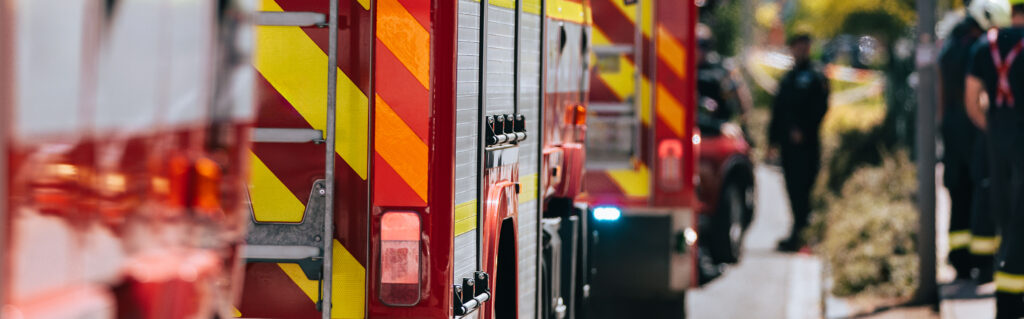
Large emergency vehicles are essential to public safety in Washington, DC. Fire trucks, ladder trucks, and other emergency vehicles must often travel quickly through busy city streets to reach people who need help. However, these vehicles are also large, heavy, and difficult to maneuver. When an emergency vehicle is involved in a crash, the resulting injuries can be serious.
A recent incident in Southwest Washington highlights these risks. On July 23, 2026, a DC firefighter was seriously injured after being struck by a DC Fire and EMS ladder truck while crews were responding to a building fire on Galveston Street SW. The firefighter was treated at the scene and airlifted to a regional trauma center. DC Fire and EMS and the Metropolitan Police Department investigated the incident. Although the circumstances of that incident remain under investigation, it raises an important question: Who can be held responsible when an emergency vehicle is involved in a serious crash?
Why Emergency Vehicle Crashes Can Be Different
Emergency vehicles operate under circumstances that are different from ordinary passenger vehicles. Fire trucks and ladder trucks may need to respond quickly to fires and other emergencies. Drivers may also have to navigate congested intersections, stopped traffic, narrow streets, and other obstacles while responding to an emergency.
That does not mean every crash involving an emergency vehicle is automatically the fault of the emergency vehicle driver. Investigators must look at the circumstances surrounding the collision and determine what happened. Factors such as speed, visibility, traffic conditions, warnings, vehicle positioning, and the actions of other drivers may all be relevant.
Emergency Vehicles Are Not Free From All Rules
Emergency responders may have certain privileges while operating during an emergency, but those privileges do not mean there are no safety obligations. A collision may involve questions about whether the emergency vehicle was responding to an actual emergency, whether appropriate warning equipment was being used, and whether the vehicle was operated in a reasonably safe manner under the circumstances.
Other drivers also have responsibilities when emergency vehicles approach. Failing to recognize or respond appropriately to an emergency vehicle can contribute to a collision. Determining what each person involved in the accident did before the crash can therefore be an important part of an investigation.
When Can the District Be Held Liable?
Claims involving District-owned emergency vehicles can involve special legal rules. Under DC law, the District generally cannot claim governmental immunity for certain injuries caused by a District employee’s negligent operation of a District-owned or controlled vehicle. However, the law establishes a higher standard when the claim involves the operation of an emergency vehicle on an emergency run. In those circumstances, the District may be liable only for gross negligence. This distinction matters. A person injured in an accident involving a city-operated fire truck or other emergency vehicle may have a potential claim, but the legal standard can be different from an ordinary motor vehicle accident involving private drivers.
What Is Gross Negligence?
Gross negligence generally involves conduct that goes beyond an ordinary mistake or moment of carelessness. In an emergency vehicle case, the specific facts would need to be examined to determine whether the conduct meets the applicable legal standard. The fact that an accident occurred does not, by itself, establish gross negligence. This is one reason emergency vehicle accident claims can be more complicated than typical car accident cases.
Other Parties May Also Be Involved
Not every emergency vehicle accident involves only the District or the emergency vehicle operator. Depending on the circumstances, an investigation may need to consider whether another driver contributed to the collision. A vehicle manufacturer, maintenance provider, or another party could potentially become relevant if a mechanical problem or other issue played a role.
For example, if a commercial vehicle and a fire truck collide at an intersection, investigators may need to determine what each driver was doing immediately before the crash. Traffic camera footage, witness statements, vehicle data, and accident reconstruction may help establish how the collision occurred.
Evidence Can Be Especially Important
Emergency vehicle accidents often require a detailed investigation because the circumstances surrounding the crash can be complicated.
Important evidence may include:
- Police and crash investigation reports
- Traffic camera footage
- Dashcam or surveillance video
- Emergency dispatch records
- Witness statements
- Vehicle damage photographs
- Vehicle maintenance records
- Electronic vehicle data
- Photographs of the accident scene
Evidence documenting the emergency response can also help establish what was happening immediately before the collision.
Because some evidence may not remain available indefinitely, preserving relevant records early can be important.
What If Another Driver Caused the Crash?
An emergency vehicle’s involvement does not automatically make the emergency responder responsible. For example, another driver may fail to yield, ignore an emergency vehicle’s warnings, or make a sudden maneuver that causes a collision. In those circumstances, the other driver’s actions may become an important part of the liability analysis.
DC law also contains specific provisions addressing emergency vehicles and traffic enforcement. For example, the District Code recognizes circumstances in which a driver may be yielding the right of way to an emergency vehicle. The details of the collision therefore matter. Liability should be based on the evidence rather than assumptions about which vehicle had the right of way.
Injuries From Emergency Vehicle Crashes Can Be Severe
Fire trucks and ladder trucks are substantially larger and heavier than ordinary passenger vehicles. A collision involving one of these vehicles can result in significant injuries.
Depending on the circumstances, victims may suffer:
- Broken bones
- Traumatic brain injuries
- Spinal injuries
- Internal injuries
- Severe soft-tissue injuries
- Permanent disabilities
Serious injuries can also lead to extensive medical treatment, lost income, rehabilitation, and long-term changes to a person’s daily life.
What Should You Do After an Emergency Vehicle Accident?
If you are injured in a collision involving a fire truck, ladder truck, ambulance, police vehicle, or another emergency vehicle, seek medical attention as soon as possible. If you are able to do so safely, document the scene with photographs and obtain contact information from witnesses. Keep records of your medical treatment and expenses, and make sure you obtain information about the investigating agencies and the vehicles involved.
Do not assume that the presence of an emergency vehicle means you cannot pursue a claim. The circumstances and applicable legal standards need to be evaluated based on the specific accident.
Roeser Law Firm: Protecting Your Rights After an Accident
Emergency vehicles play a critical role in protecting Washington, DC residents, but crashes involving these vehicles can still cause serious injuries. Determining liability can be more complicated when a District-owned emergency vehicle is responding to an active emergency because different legal standards may apply.
The recent Southwest DC ladder truck incident demonstrates why these crashes deserve careful investigation. While the circumstances of that crash remain under investigation, it is a reminder that emergency vehicle accidents can involve complex questions about driver conduct, traffic conditions, vehicle operation, and government liability.
If you were injured in a collision involving an emergency vehicle in Washington, DC, understanding the circumstances of the crash and the legal rules that apply can help you determine what options may be available. Roeser Law Firm is dedicated to safeguarding your rights. Our skilled lawyers thoroughly investigate each case, ensure accountable parties are held responsible, and work tirelessly to secure the compensation you deserve for your recovery. Contact us at (202) 660-4070 or contact us online for a free consultation today.
Attorney Zeke Roeser

3000 Connecticut Avenue NW
Suite 140
Washington, DC 20008
(202) 660-4070