How Black Ice Contributes to Serious Car Accidents in Washington, DC
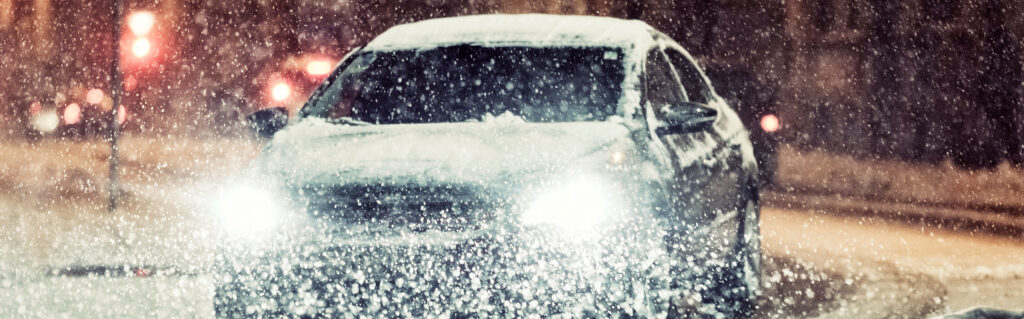
Winter driving in Washington, DC presents unique challenges. One of the most dangerous hazards that drivers face during cold months is black ice — a nearly invisible layer of ice that forms on pavement and causes vehicles to lose traction.
Unlike snow or visible ice patches, black ice blends with the road surface, making it extremely difficult for drivers to detect until it’s too late. On major roads like I-495 (the Capital Beltway), I-295, and I-66, where high speeds and heavy traffic are common, black ice can turn a routine commute into a life-altering crash.
Understanding how black ice contributes to truck and car accidents in the DC area — and what steps to take if you’re injured — can help protect your rights and keep you safer on the road.
What Is Black Ice and Why Is It So Dangerous?
Black ice is a thin, transparent coating of ice that forms when road surfaces are just above freezing and moisture begins to freeze without forming snow or frost. Because it is almost invisible, drivers rarely notice it until they feel a sudden loss of control.
Black ice tends to form under the following conditions:
- Overnight freezing after daytime melting
- Bridge decks and overpasses that cool faster than roadways
- Shaded areas where ice doesn’t melt in direct sunlight
- After light precipitation or mist in near-freezing temperatures
In the DC region, winter weather patterns — including freezing rain and repeated freeze-thaw cycles — make black ice a persistent hazard even when temperatures hover just above freezing during the day.
How Black Ice Causes Serious Crashes in DC
When a vehicle hits black ice, the tires can lose all traction. At highway speeds, this sudden loss of grip can lead to:
- Spinning out of control
- Sliding into other lanes
- Collisions with guardrails
- Head-on or T-bone crashes with other vehicles
- Rolling or skidding off the roadway
Because highways like I-495, I-395, and I-295 are major commuter routes with high speed limits, accidents on black ice often result in significant injuries and extensive property damage.
Why Black Ice Crashes Lead to Severe Injuries
The dynamics of a black ice crash make them especially dangerous:
- At highway speeds, drivers have very little time to correct a skid.
- Other vehicles on the road may be traveling at 55–65 mph or higher.
- Secondary impacts — such as hitting concrete barriers or other vehicles — increase injury severity.
Common injuries from black ice–related accidents include:
- Whiplash and neck injuries
- Broken bones and fractures
- Spinal cord injuries
- Traumatic brain injuries
- Internal injuries
- Long-term disability
These injuries often require immediate medical care, ongoing treatment, and rehabilitation — and can lead to significant financial strain for victims and their families.
Black Ice and Liability in Washington, DC Crashes
When black ice contributes to a crash, determining liability can be complex. Weather conditions alone don’t automatically make someone at fault — but there are circumstances where negligence plays a role:
Negligent Driving in Icy Conditions
Drivers are expected to exercise reasonable care given the conditions. Excessive speed, tailgating, or distracted driving on slick roads may be considered negligent if an accident occurs.
Road Maintenance and Government Liability
Public agencies are responsible for maintaining road safety on city and state-controlled highways. While weather conditions themselves cannot always be controlled, ongoing issues such as inadequate de-icing, improper signage, or failure to address known hazards can contribute to dangerous conditions.
In certain situations, government entities may be held accountable if they knew (or should have known) about hazardous conditions and failed to take appropriate action.
Product and Vehicle Defects
Sometimes a vehicle’s mechanical condition — such as worn tires, faulty anti-lock braking systems (ABS), or traction control failures — can worsen the outcome of a black ice incident. If a defect contributes to a crash, liability may extend to manufacturers or maintenance providers.
What to Do After a Black Ice Crash on Washington, DC Roads
If you’re involved in a crash caused by black ice, your immediate actions can significantly affect both your health and your legal rights:
- Get to Safety and Call 911
Even if injuries seem minor, get medical help and have police document the scene. - Seek Medical Attention Promptly
Some injuries may not appear immediately but can have long-term consequences. - Document the Scene
Take photos of the roadway, weather conditions, skid marks, vehicle damage, and any signs or hazards. - Collect Information
Exchange contact and insurance details with other drivers, and note any witness contact information. - Avoid Admitting Fault
Statements made at the scene can be used by insurers; focus on reporting facts. - Contact a Personal Injury Attorney
Legal guidance can help ensure your rights are protected and evidence is properly preserved.
Compensation Available for Black Ice Accident Victims
Victims of truck and car accidents caused by black ice in the DC area may be entitled to compensation for:
- Emergency and ongoing medical care
- Lost wages and reduced earning capacity
- Pain and suffering
- Rehabilitation and therapy costs
- Vehicle and property damage
- Long-term disability care
An experienced attorney can assess your case and pursue compensation from liable parties, including negligent drivers, government entities, or product manufacturers when applicable.
Stay Safer This Winter — and Know Your Rights
Freezing temperatures and black ice are serious threats on Washington’s roads — but understanding how they contribute to accidents and what to do afterward ensures you’re prepared. If you’ve been injured in a black ice crash, you don’t have to navigate the legal process alone. Roeser Law Firm is ready to assist. Reach out for a free consultation by calling (202) 660-4070 or contacting us online. We’ll address your concerns and outline your options for pursuing compensation.
Attorney Zeke Roeser

3000 Connecticut Avenue NW
Suite 140
Washington, DC 20008
(202) 660-4070