Common Hazards on Commercial Properties That Lead to Injury Claims
Commercial properties in Washington, DC are visited by thousands of people every day—customers, employees, contractors, and guests. Property owners and operators have a legal responsibility to maintain reasonably safe conditions for anyone lawfully on the premises. When they fail to do so, serious injuries can occur.
Many premises liability claims arise not from freak accidents, but from hazards that could have been prevented through routine maintenance, inspections, or timely repairs. Understanding the most common dangers found on commercial properties can help injured individuals recognize when negligence may be involved.
The Duty of Care on Commercial Property
Commercial property owners owe a heightened duty of care to visitors. Businesses are expected to regularly inspect their property, identify hazards, and either correct dangerous conditions or warn visitors until repairs are made.
When a property owner knows—or should have known—about a hazard and fails to address it, they may be held liable for resulting injuries.
Slip and Trip Hazards Inside Businesses
One of the most frequent sources of injury claims involves slip and trip hazards inside commercial buildings.
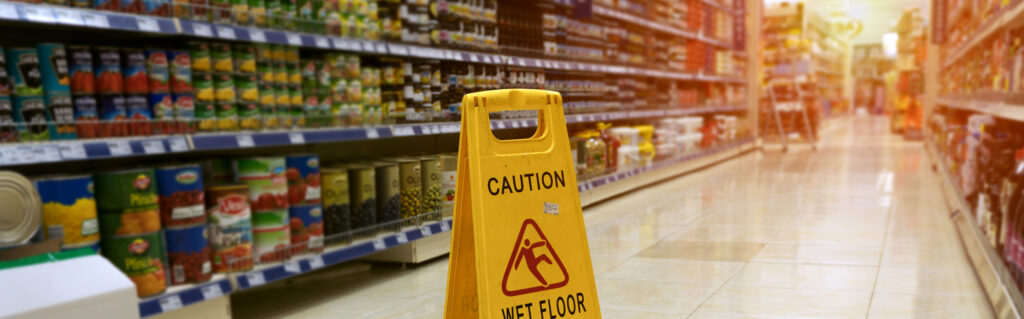
Wet or freshly mopped floors without warning signs, spilled liquids, loose rugs, and uneven flooring can all lead to sudden falls. In busy environments like grocery stores, restaurants, and retail shops, these hazards are especially dangerous because foot traffic is constant and visibility may be limited.
Even a minor elevation change or curled floor mat can cause serious injuries, including fractures, head trauma, or soft tissue damage.
Unsafe Stairways and Handrails
Staircases are a common feature in office buildings, parking garages, hotels, and apartment complexes with commercial components. When stairs are poorly maintained, the risk of injury increases significantly.
Common stair-related hazards include broken steps, loose or missing handrails, worn stair treads, and inadequate lighting. Falls on stairs often result in severe injuries because victims may tumble multiple steps before landing.
Poor Lighting and Visibility Issues
Adequate lighting plays a critical role in preventing accidents. Poorly lit hallways, parking garages, stairwells, and entrances make it difficult for visitors to see obstacles or changes in elevation.
Commercial property owners are responsible for ensuring that lighting is functional and sufficient, particularly in areas used during evening hours. Inadequate lighting can contribute to both fall-related injuries and security-related incidents.
Parking Lot and Sidewalk Hazards
The responsibility of commercial property owners extends beyond the building itself. Parking lots, garages, sidewalks, and entryways must also be properly maintained.
Cracked pavement, potholes, uneven sidewalks, and missing curb markings can all cause serious trip-and-fall accidents. During colder months, failure to remove snow and ice in a timely manner can further increase the risk of injury.
Elevator and Escalator Malfunctions
Elevators and escalators are common in many commercial properties throughout Washington, DC. When these systems are not properly maintained, they can malfunction unexpectedly.
Sudden stops, jerking movements, misaligned doors, or uneven surfaces can cause falls or trap passengers. Injuries involving elevators or escalators often require detailed investigations to determine whether the property owner, maintenance company, or another party is responsible.
Negligent Security and Dangerous Conditions
Some injury claims arise not from physical defects, but from inadequate security measures. Commercial property owners may be liable if foreseeable criminal activity occurs due to poor lighting, broken locks, lack of security personnel, or malfunctioning access controls.
When property owners fail to address known security risks, visitors may be exposed to assault or other violent incidents.
When a Hazard Becomes a Legal Claim
Not every injury automatically results in a valid premises liability claim. However, a claim may exist when:
- A dangerous condition was present on the property
- The property owner knew or should have known about it
- Reasonable steps were not taken to fix or warn about the hazard
- The hazard directly caused an injury
Evidence such as surveillance footage, maintenance records, witness statements, and incident reports often plays a critical role in proving negligence.
Legal Guidance After a Commercial Property Injury
Injuries on commercial property can lead to costly medical treatment, time away from work, and long-term physical limitations. When a property owner’s negligence causes harm, injured individuals may be entitled to compensation for medical expenses, lost wages, and pain and suffering.
The Roeser Law Firm helps injured individuals throughout Washington, DC pursue premises liability claims against negligent commercial property owners. If you were hurt on a business or commercial property, call (202) 660-4070 or contact us online for a free consultation. You pay nothing unless your case is successfully resolved.
Attorney Zeke Roeser

3000 Connecticut Avenue NW
Suite 140
Washington, DC 20008
(202) 660-4070