Common Causes of Slip and Fall Accidents at Apartment Complexes in Washington, DC
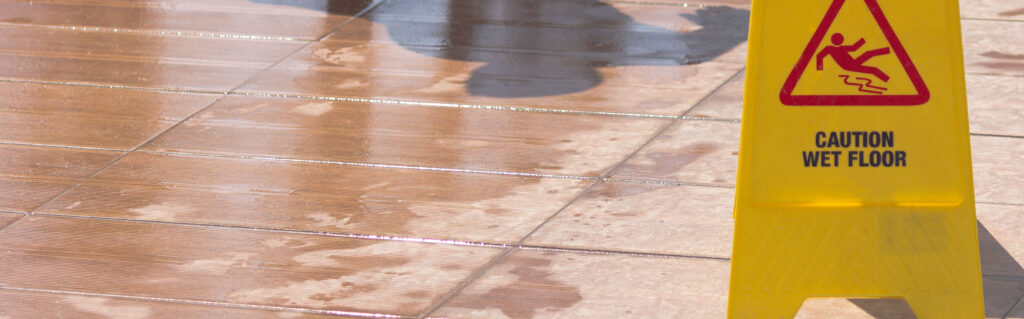
Apartment complexes should provide safe living environments for residents and visitors alike. However, when property owners or management companies fail to maintain common areas, hazardous conditions can develop that increase the risk of slip and fall accidents. A fall at an apartment complex can lead to serious injuries, including broken bones, head trauma, and spinal injuries. In many cases, these accidents are preventable. Understanding the common causes of apartment complex slip and fall accidents can help residents and guests recognize potential dangers and better understand their legal rights if an injury occurs.
Why Apartment Complexes Present Unique Slip and Fall Risks
Unlike single-family homes, apartment complexes have shared spaces that are used by dozens—or even hundreds—of people each day. Hallways, stairwells, sidewalks, parking lots, and community amenities require regular inspections and maintenance to remain reasonably safe. When these areas are neglected, even a small hazard can result in a serious accident. Property owners and management companies are generally responsible for maintaining common areas and addressing dangerous conditions within a reasonable amount of time.
Wet Floors and Entryways
One of the most common causes of slip and fall accidents is wet flooring.
Water can accumulate from:
- Rain tracked into building entrances
- Recently mopped floors
- Plumbing leaks
- Spilled liquids in common areas
When wet surfaces are not cleaned promptly or warning signs are not placed nearby, residents and visitors may unexpectedly lose their footing.
Damaged Stairways and Broken Handrails
Staircases are heavily used throughout apartment complexes and require routine maintenance.
Hazards may include:
- Loose or uneven steps
- Cracked concrete
- Worn stair treads
- Broken or unstable handrails
A defective staircase can significantly increase the likelihood of a fall, particularly for older adults, children, and individuals carrying groceries or other items.
Poor Lighting
Inadequate lighting can make otherwise avoidable hazards difficult to see.
Poor lighting is commonly found in:
- Stairwells
- Parking garages
- Walkways
- Hallways
- Building entrances
Without proper visibility, residents and visitors may not notice uneven pavement, obstacles, or changes in elevation until it is too late.
Uneven Sidewalks and Walkways
Cracked sidewalks and damaged walkways are another frequent source of apartment complex injuries.
Common hazards include:
- Raised concrete slabs
- Large cracks
- Potholes
- Tree root damage
- Loose pavement
These conditions can create both slip and trip hazards, especially during poor weather or at night.
Snow and Ice Accumulation
Winter weather can quickly create dangerous conditions around apartment buildings in Washington, DC.
Snow and ice often accumulate on:
- Sidewalks
- Stairways
- Parking lots
- Building entrances
Property owners who fail to remove snow or apply ice treatment within a reasonable time may place residents and visitors at unnecessary risk.
Parking Lot Hazards
Apartment parking lots and garages receive constant vehicle and pedestrian traffic, making regular maintenance especially important.
Potential hazards include:
- Oil or fluid leaks
- Uneven pavement
- Broken curbs
- Poor drainage
- Inadequate lighting
Because many falls occur while people are carrying bags or walking to and from their vehicles, these hazards can easily go unnoticed.
Cluttered Walkways
Obstacles left in common areas can also contribute to apartment slip and fall accidents.
Examples include:
- Maintenance equipment
- Construction materials
- Garden hoses
- Loose cords
- Trash or debris
Walkways should remain reasonably clear to reduce unnecessary risks for residents and visitors.
Evidence Can Be Critical After a Fall
If a slip and fall accident occurs, preserving evidence as soon as possible can help establish what caused the incident.
Helpful evidence may include:
- Photographs of the hazard
- Surveillance camera footage
- Witness statements
- Maintenance records
- Incident reports
- Medical records documenting your injuries
Hazards are often repaired shortly after an accident, making early documentation especially valuable.
Washington, DC’s Contributory Negligence Rule
Washington, DC follows a strict contributory negligence rule. This means an injured person may be barred from recovering compensation if they are found even partially responsible for the accident. Insurance companies may argue that the hazard was obvious or that the injured person failed to exercise reasonable care. Because of this, gathering strong evidence is especially important when pursuing an apartment complex slip and fall claim.
Protecting Your Rights After an Apartment Complex Fall
Slip and fall accidents at apartment complexes can result in painful injuries, expensive medical treatment, and significant disruptions to daily life. While every accident is different, many are caused by hazards that could have been prevented through proper maintenance and routine inspections. If you were injured in a slip and fall accident at an apartment complex in Washington, DC, The Roeser Law Firm is dedicated to helping you navigate this process. Call us today at (202) 660-4070 for a free case consultation with our legal team, where we will review your situation and discuss potential negligence. If you have any questions or need guidance, we’re here to help. You can also reach out to us online at your convenience.
Attorney Zeke Roeser

3000 Connecticut Avenue NW
Suite 140
Washington, DC 20008
(202) 660-4070