Premises Liability
What Evidence Is Needed for a Commercial Slip and Fall Claim in Washington, DC?

Slip and fall accidents can happen in a variety of commercial settings, including grocery stores, restaurants, office buildings, shopping centers, and parking garages. While these incidents may seem straightforward, successfully recovering compensation often depends on one critical factor: evidence. In Washington, DC, simply being injured on commercial property is not enough to establish liability. The…
Read MoreProving Negligence in an Apartment Complex Slip and Fall Claim in Washington, DC

Slip and fall accidents in apartment complexes can lead to serious injuries and unexpected financial stress. Whether the fall happens on a stairway, sidewalk, parking garage, or common hallway, injured tenants and visitors are often left wondering whether the property owner or landlord can be held responsible. In Washington, DC, proving negligence is one of…
Read MoreSlip and Fall Accidents in Grocery Stores in Washington, DC
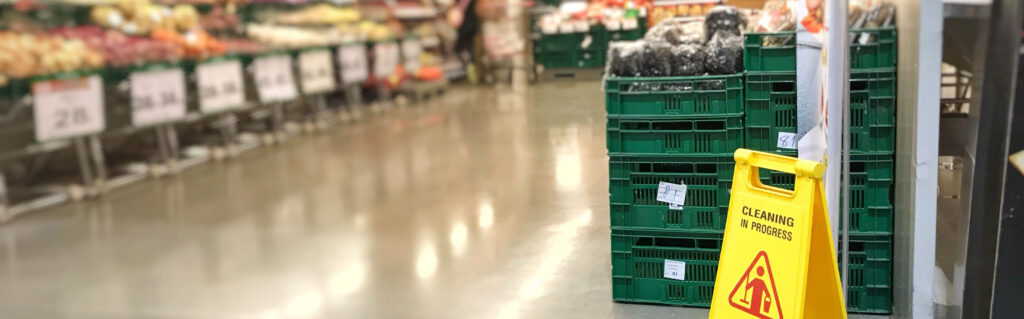
A routine trip to the grocery store should not result in an injury. However, slip and fall accidents in grocery stores are more common than many people realize. Spilled liquids, freshly mopped floors, and crowded aisles can quickly create dangerous conditions for shoppers. In Washington, DC, grocery stores have a legal responsibility to maintain safe…
Read MoreWhat Evidence Is Needed to Prove a Commercial Slip and Fall Claim in DC
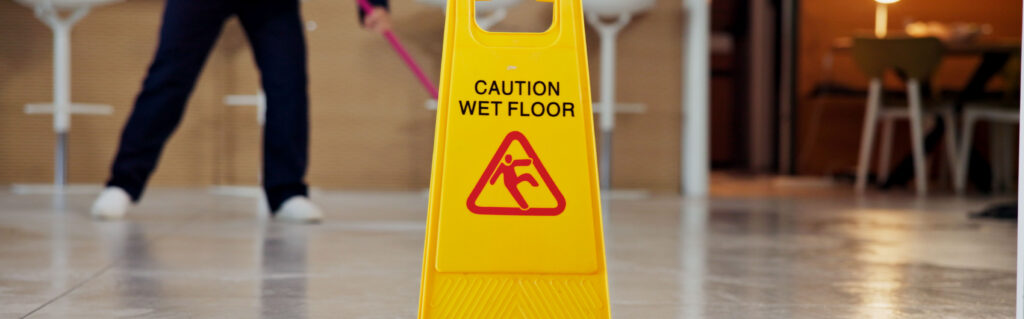
Slip and fall accidents inside commercial buildings can cause serious injuries. A fall in an office building, retail store, or apartment complex lobby can lead to broken bones, head trauma, or long-term mobility issues. But proving a slip and fall claim in Washington, DC is not automatic. An injury alone is not enough. You must…
Read MoreHow Freezing Temperatures Create Dangerous Walkways in Washington, DC

When winter temperatures drop in Washington, DC, sidewalks, parking lots, and outdoor stairways can quickly become hazardous. Freezing conditions often turn everyday walkways into slick surfaces that increase the risk of serious slip-and-fall injuries. For residents, commuters, and visitors alike, understanding how these conditions develop — and what legal options exist after an injury —…
Read MoreCommon Hazards on Commercial Properties That Lead to Injury Claims
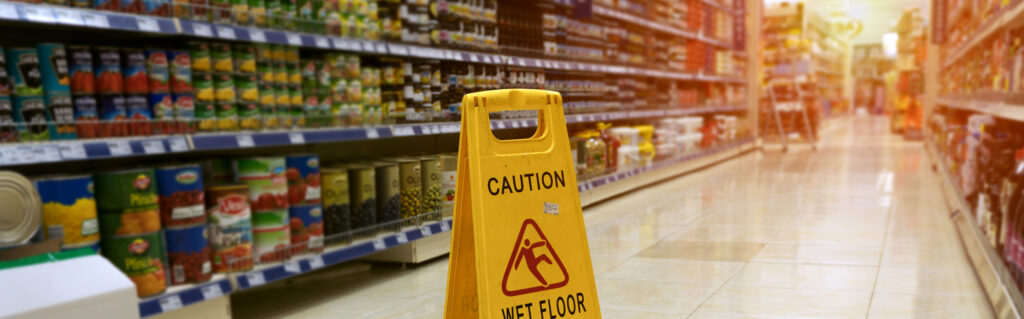
Commercial properties in Washington, DC are visited by thousands of people every day—customers, employees, contractors, and guests. Property owners and operators have a legal responsibility to maintain reasonably safe conditions for anyone lawfully on the premises. When they fail to do so, serious injuries can occur. Many premises liability claims arise not from freak accidents,…
Read MoreWhat to Do After an Injury on Government Property in Washington, DC

Suffering an injury is stressful under any circumstances, but when it happens on government property in Washington, DC, the situation becomes even more complex. Whether you were hurt at a federal building, a Metro station, a public park, or another government-maintained space, special rules and strict deadlines apply — and they can dramatically affect your…
Read MoreWinter Slip-and-Fall Hazards in Washington, DC: What Property Owners Are Required to Do
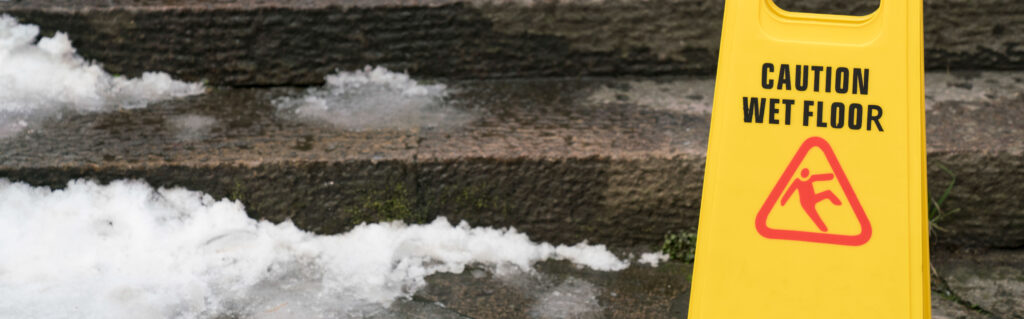
Winter in Washington, DC brings more than just cold temperatures — it creates dangerous conditions that put pedestrians at risk of serious slip-and-fall accidents. Ice, snow, slush, and poor visibility can turn sidewalks, parking lots, and building entrances into hazardous environments. When property owners fail to maintain safe conditions, these preventable hazards can lead to…
Read MoreUnderstanding Premises Liability in Washington, DC: When Property Owners Are Legally Responsible

Every day in Washington, DC, residents, workers, and visitors enter stores, apartment buildings, parking lots, and government offices expecting reasonably safe conditions. Unfortunately, when property owners fail to maintain their premises, serious accidents can occur — from slip-and-falls on wet floors to injuries caused by broken stairs, poor lighting, or negligent security. If you’ve been…
Read MoreWarning Signs of Nursing Home Slip and Fall Accidents Leading to Injuries

Nursing home slip and fall accidents are one of the most common — and preventable — dangers in care facilities. In Washington, D.C., and Maryland, families rely on nursing homes to provide a safe environment for their elderly loved ones. Unfortunately, when staff fail to maintain safety standards, residents face a higher risk of serious…
Read More